
What Saskatoon Restaurant Owners Need to Know About Health Inspection Cleaning Standards
Clean Kitchen Healthy Food
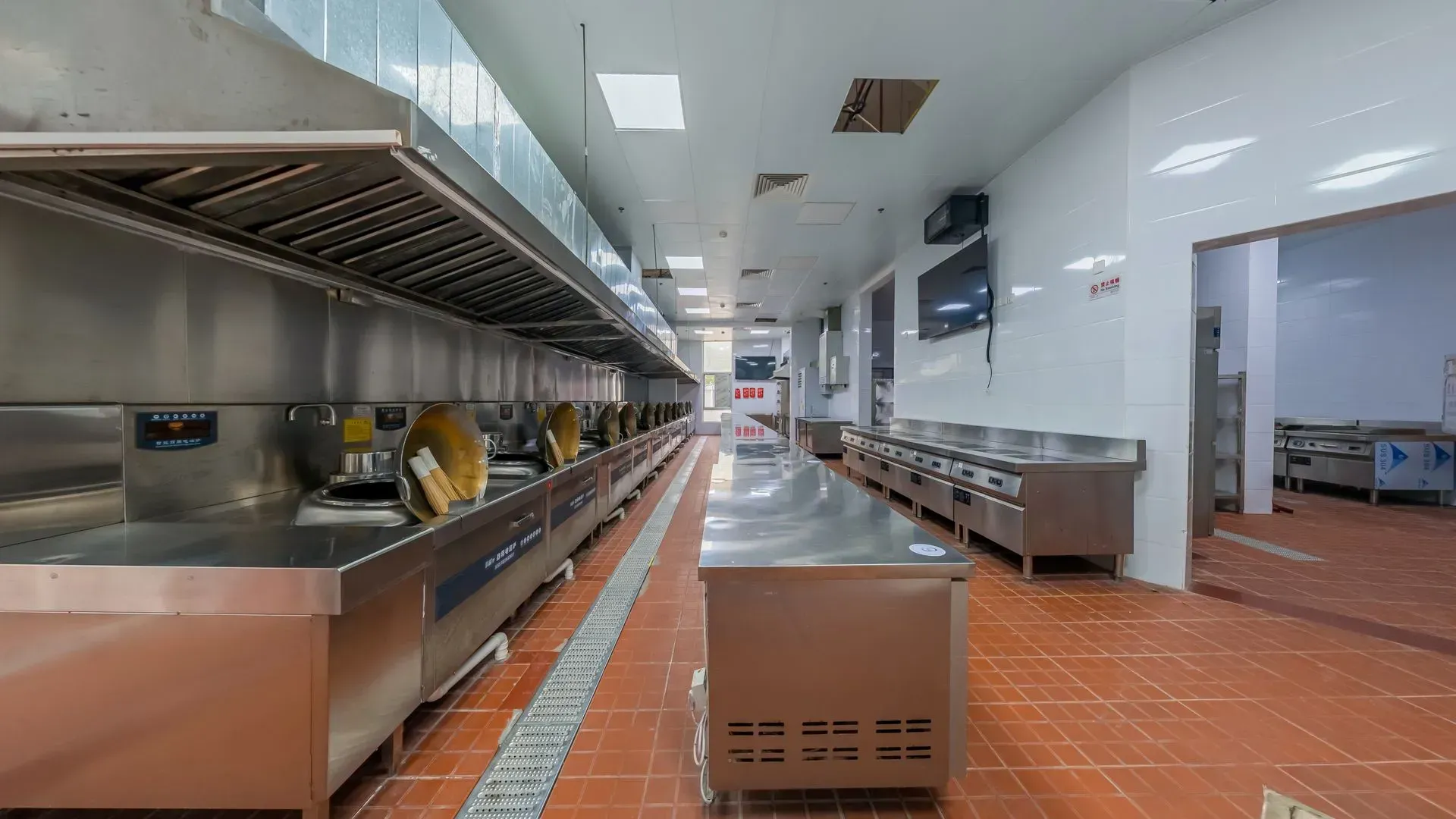
Running a restaurant in Saskatoon means operating under a layer of regulatory scrutiny that most other businesses don't face. Public Health Inspectors from the Saskatchewan Health Authority (SHA) conduct roughly 15,000 food facility inspections across the province every year. Your restaurant will be among them — typically two to four times annually, unannounced, with results posted publicly on the provincial Inspection InSite portal for any customer to look up.
That last part is worth sitting with. Inspection results are not internal documents. They are publicly searchable by restaurant name. A failed inspection, an uncorrected violation, or a suspension notice is visible to anyone who looks — and increasingly, customers do look.
This article is a practical guide for Saskatoon restaurant operators: what inspectors are actually evaluating from a cleaning and sanitation standpoint, where most violations originate, and what the realistic consequences are for falling short. And critically — where professional cleaning support fits into a compliance strategy that protects your licence and your reputation.
The Regulatory Framework: Who Is Watching and What They Use
Saskatchewan restaurant inspections operate under two primary instruments: The Food Safety Regulations (RRS c P-37.1 Reg 12), made under The Public Health Act, 1994, and the Public Eating Establishment Standards. The regulations were most recently amended in April 2023, and a further round of amendments completed public consultation in 2025 — so this is an actively evolving regulatory environment, not a static one.
Public Health Inspectors — sometimes referred to as Public Health Officers — are the SHA staff who enforce these standards. They are not there to find problems for the sake of finding them, but they are trained to look in the places operators often overlook, and they have real enforcement tools at their disposal.
Inspections are risk-based, meaning that restaurants handling higher-risk foods or serving vulnerable populations (seniors, children, immunocompromised individuals) may be inspected more frequently than lower-risk establishments. Your inspection frequency is not fixed — it responds to your history.
Inspection reports are publicly available at no charge through healthinspections.saskatchewan.ca. Copies of full inspection reports can be requested from the SHA for a fee of $30 per restaurant. Your customers have access to this data. Your competitors do too.
What Inspectors Are Actually Looking At: The Cleaning Dimension
A restaurant inspection covers a wide range of items — food temperatures, storage practices, staff certification, and facility maintenance among them. But cleaning and sanitation are woven throughout nearly every category on the inspection form. Here is where most of the cleaning-related scrutiny falls:
Food Contact Surfaces
Any surface that comes into direct contact with food — cutting boards, prep tables, slicers, mixer attachments, portioning tools — must be cleaned and sanitized to a documented standard after each use and between different food types. Inspectors will look for visible residue, biofilm buildup (particularly on equipment with grooves, threads, or hard-to-reach components), and evidence that sanitizer concentrations are being tested and logged.
Ice machines are a persistently common violation source. The interior components — particularly the bin and the ice-making mechanism — develop mould and bacterial biofilm over time and are easy to overlook in daily cleaning routines. Inspectors check them.
Non-Food Contact Surfaces
Floors, walls, ceilings, shelving, the exterior of equipment, and the areas behind and beneath cooking equipment all fall under this category. The standard is that they must be kept free of grease, soil, and debris that could attract pests or migrate to food. In practice, this means:
- Behind and beneath fryers, ranges, and prep equipment — grease and food debris accumulate rapidly here and are a frequent citation point
- Exhaust hoods and filters — grease buildup in exhaust systems is both a health inspection issue and a fire hazard; inspectors check for both
- Walk-in cooler and freezer floors and walls — condensation and food spills create conditions for mould if not addressed on a regular schedule
- Dry storage areas — shelving, floor-to-shelf clearance, and evidence of pest activity are all inspected
Handwashing Facilities
This is a non-negotiable area. Handwashing sinks must be accessible, stocked with soap and paper towels, and used exclusively for handwashing — not food prep or equipment rinsing. Inspectors note whether sinks are clear and whether supplies are present at all times. Missing soap or paper towels at a handwashing station is a citation that appears with surprising frequency in inspection reports across the province, and it is entirely preventable.
Dishwashing and Sanitizing
Whether your operation uses a mechanical dishwasher or a three-compartment sink, sanitizer concentration matters. Inspectors will test it. Chemical sanitizers must be maintained at the correct concentration — too low and they don't sanitize effectively; too high and they become a food safety risk in their own right. Test strips must be available and staff must be using them.
Washrooms
Customer and staff washrooms are part of every restaurant inspection. They must be maintained in a clean condition, adequately stocked, and functional. A dirty washroom is a signal to an inspector about the hygiene culture of the entire operation — it shapes how thoroughly they look at everything else.
The Consequences of Non-Compliance: What's Actually at Stake
Inspection results are posted publicly. A failed inspection, uncorrected violations, or a licence suspension is visible to any customer searching for your restaurant by name on the Saskatchewan government's inspection portal. The reputational damage from a public violation can outlast the actual corrective action by months or years.
Beyond the reputational dimension, the formal consequences of non-compliance under Saskatchewan's food safety framework are significant:
- Licence suspension or revocation — a serious breach can result in immediate closure with no advance notice
- Fines that can reach tens of thousands of dollars per offence
- Prosecution of employees, proprietors, managers, and directors in cases of serious violations
- Orders for mandatory additional food safety training for operators or specific staff
- Increased inspection frequency — a poor inspection history results in more frequent unannounced visits
It is also worth noting that licences must be renewed every two years and must be displayed visibly to customers. A licence in question at renewal time creates an operational problem, not just a paperwork one.
The Cleaning Areas Most Likely to Generate Citations
Based on the pattern of violations that appear in Saskatchewan inspection data, certain areas generate disproportionate numbers of citations. If you are running a restaurant and have not recently given these areas dedicated attention, they represent your highest-risk points:
- Exhaust hoods and grease filters — inadequate cleaning frequency is one of the most common commercial kitchen violations in Saskatchewan and nationally
- Ice machine interiors — mould and biofilm in ice machines appears in inspection reports with striking regularity
- Floor drains — grease, food debris, and biofilm accumulate in floor drains and the areas immediately surrounding them; they are also a primary pest entry and harborage point
- Behind and beneath equipment — fryers, ranges, prep tables, and refrigeration units all accumulate grease and debris in the spaces underneath and behind them that daily cleaning routines rarely reach
- Walk-in cooler walls and door gaskets — mould growth on cooler walls and on refrigerator door gaskets is common and consistently flagged
- Grout lines in tiled floors and walls — grease and organic matter collect in grout and become a biofilm source if not addressed with appropriate cleaning agents and frequency
The pattern across most restaurant cleaning violations is not that operators don't clean — it's that cleaning routines address visible surfaces consistently while overlooking the areas that require periodic deep cleaning. Inspectors are specifically trained to look beyond the surfaces that get daily attention.
Building a Cleaning Schedule That Supports Compliance
A compliant restaurant cleaning operation requires three distinct cleaning frequencies working together. Most operations have reasonable daily routines. Where they fall short is in the weekly and periodic layers.
Daily
- All food contact surfaces cleaned and sanitized after each use and at close
- Handwashing stations checked and restocked at opening and throughout service
- Floors swept and mopped, including behind equipment where accessible
- Dishwasher or three-compartment sink sanitizer concentration tested and logged
- Washrooms cleaned and restocked
Weekly
- Grease filters removed and cleaned or exchanged
- Walk-in cooler walls, shelving, and floor drains cleaned
- Exterior of all equipment wiped down including undersides and sides
- Floor drain covers removed and drains cleaned
- Dry storage shelving wiped and inspected for pest signs
Periodic (Monthly or Quarterly)
- Full exhaust hood and duct cleaning — this typically requires a specialist and should be documented
- Ice machine interior full clean and sanitize
- Deep clean behind and beneath all equipment — appliances pulled away from walls
- Grout cleaning on tiled floors and walls
- Walk-in cooler door gaskets inspected and cleaned
- Full pest inspection of all harborage-risk areas
Where Professional Cleaning Fits In
Daily cleaning is your team's responsibility and should be non-negotiable. But the periodic and deep cleaning tasks — exhaust hoods, behind equipment, ice machines, floor drains, walk-in coolers — are where professional commercial cleaning makes a practical difference.
There are two reasons for this. The first is equipment: commercial kitchen deep cleaning requires degreasers, steam equipment, and high-pressure tools that most restaurant teams don't have. The second is documentation: a professional cleaning company provides a record of what was cleaned and when, which becomes part of your compliance file and is useful context if an inspector asks about your cleaning program.
At Haimen Cleaning Services, we provide restaurant cleaning in Saskatoon that is designed around the compliance requirements of SHA inspections — not a generic commercial clean. We understand what inspectors look for because we work in these environments regularly. Our team handles the periodic deep cleaning tasks that keep your inspection record clean so your team can focus on running service.
Protect your licence. Protect your reputation.
Contact Haimen Cleaning Services at (306) 361-4313 or visit
haimencleaningservicesltd.com to discuss a restaurant
cleaning schedule built around your inspection requirements.