
Post-Construction Cleaning in Saskatoon: What to Expect After a Renovation
Between The Construction and Your Enjoyment
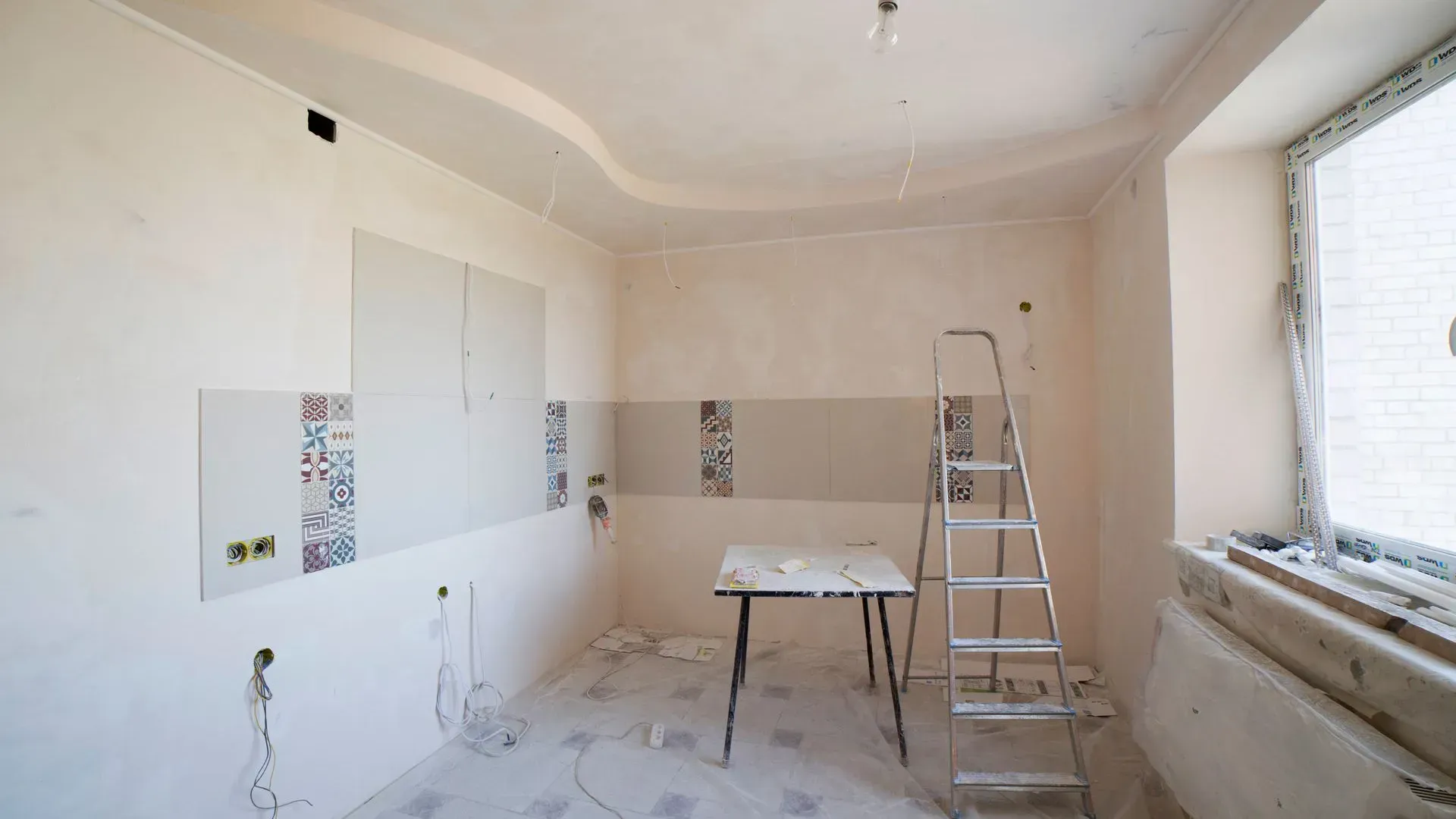
Getting a renovation done is genuinely exciting. New kitchen. Finished basement. Updated bathrooms. Whatever the project, there's a moment when the last contractor walks out the door and you're left standing in what should feel like a fresh start.
Except it doesn't quite feel that way yet. Because what the contractors left behind — along with the beautiful new work — is a layer of construction debris that is unlike anything your regular cleaning routine is prepared to handle.
Post-construction cleaning is a category of its own. It's not heavy housekeeping. It's a specialized process that removes the fine dust, adhesive residue, caulking smears, paint over spray, and material fragments that are an unavoidable byproduct of any renovation. If you've never had it done professionally, this article will walk you through what it involves, why it matters, and what to realistically expect when you hire a professional team in Saskatoon.
Why Construction Dust Is Harder Than It Looks
The dust produced by renovation work — drywall sanding, cutting, drilling, tiling — is not the same as the household dust you wipe off a shelf. It's extremely fine, it carries further, and it settles into places that most cleaning methods don't reach effectively.
Drywall dust in particular is notorious. It gets into HVAC vents and circulates through the entire home. It coats the tops of doors and cabinet faces in a thin white film that a damp cloth just smears around. It settles into light fixtures, inside electrical outlets, and along every horizontal surface in a room — including surfaces in adjacent rooms that weren't even part of the renovation.
Sawdust from cutting lumber or flooring is coarser but equally pervasive. It accumulates in corners, under appliances, along baseboards, and in the grooves of new flooring before you've had a chance to enjoy it.
A study by the Canada Mortgage and Housing Corporation notes that indoor air quality after renovation can be significantly degraded for weeks if construction residue is not properly removed. Fine particles from drywall, insulation, and adhesives are respiratory irritants — particularly for children, seniors, and anyone with asthma or allergies.
This is not a scare tactic. It's simply context for why a post-construction clean is worth doing properly, and why it requires more than a vacuum and a mop.
The Three Phases of a Professional Post-Construction Clean
Professional post-construction cleaning is typically carried out in three distinct passes, each targeting a different layer of the problem. A reputable cleaning company won't try to do all of this in one frantic sweep — the process has to be staged to be effective.
Phase 1: Rough Clean
This is the initial pass done either during or immediately after construction ends. The goal is removal of bulk debris: chunks of drywall, scrap lumber, packaging materials, empty caulking tubes, leftover tile pieces, and anything else the crew left on-site. Floors are swept, large debris is bagged, and the space is cleared to a point where the detail work can begin.
Many renovation contractors will handle this themselves as part of the job. Whether they do or not, this phase is the prerequisite for everything that follows.
Phase 2: Detail Clean
This is the core of the professional post-construction clean and the phase that most homeowners underestimate. Every surface in the renovation area — and often adjacent areas — is cleaned systematically from top to bottom.
What that looks like in practice:
- Ceiling fixtures, smoke detectors, vents, and the tops of doors and window frames are wiped down first
- Walls are inspected for paint drips, caulking smears, adhesive residue, and scuff marks — and treated accordingly
- Windows and window tracks are cleaned inside and out, including the removal of construction stickers and label adhesive from new glass
- Cabinetry — inside and out — is wiped down, including hinges, drawer tracks, and the underside of upper cabinets
- New flooring is cleaned using methods appropriate to the material: hardwood, tile, vinyl plank, and carpet each require a different approach
- Baseboards, door casings, and trim are hand-wiped to remove the fine dust that settles heavily on horizontal edges
- Bathrooms, if part of the renovation, receive full sanitization of all new fixtures, grout lines, and tile surfaces
This phase takes time. A properly executed detail clean on a medium-sized kitchen renovation, for example, will take a professional team several hours. Anyone quoting a post-construction clean in under two hours for a significant renovation is cutting corners.
Phase 3: Final Clean
Once the detail clean is done and any touch-up work by trades is complete, a final pass is done to address anything that settled in the meantime — because fine dust always does — and to bring the space to move-in ready condition. Floors are mopped or vacuumed a final time, glass surfaces are polished, and the space is inspected room by room.
This is the pass that produces the result homeowners actually see when they walk in and finally feel like the renovation is done.
What Rooms Require the Most Attention
Every renovation is different, but certain spaces consistently demand the most effort in post-construction cleaning:
Kitchens
New kitchen installations leave behind a particularly dense combination of residues: tile adhesive, grout haze on new back splash, silicone caulking around counter-tops and fixtures, cabinet installation dust, and often paint or primer over-spray. Inside cabinets need cleaning before any food or dishes go in. Appliance interiors — particularly new ovens and refrigerators — should be wiped out before first use.
Bathrooms
Grout haze on new tile is one of the most time-sensitive post-construction cleaning tasks. If left too long, grout haze hardens and becomes significantly harder to remove without risking damage to the tile surface. New fixtures — tubs, showers, sinks — also need to be cleaned of installation residue before use.
Basements
Finished basements are dust-collection environments during construction. Because warm air rises, fine drywall and insulation dust tends to settle heavily in basement spaces, particularly in corners, along the new floor-wall junction, and inside any recessed lighting. HVAC connections in new basement developments also need to be checked for debris before the system is run.
Entire-Home HVAC
Regardless of which room was renovated, dust travels through an entire home via the HVAC system. Changing furnace filters immediately after a renovation is a minimum step. For larger projects, having vents professionally cleaned is worth considering — especially before winter, when the system runs continuously and circulates whatever is sitting in the ductwork.
What a Professional Post-Construction Clean Does NOT Include
It helps to know the boundaries, so there are no surprises:
- Removal of large construction materials, full dumpsters, or heavy equipment — that is the contractor's responsibility
- Repair of construction damage to existing surfaces — scuffs, gouges, and paint damage are contractor punch-list items, not cleaning tasks
- Exterior cleaning of the property unless specifically quoted
- Deep cleaning of areas of the home entirely unaffected by the renovation — though this can be added as a separate scope
When booking a post-construction clean, be specific about the scope of the renovation and the total square footage involved. A 200 sq ft bathroom reno and a full main-floor kitchen and living room renovation are completely different jobs — and should be quoted accordingly.
How to Prepare for Your Post-Construction Clean
To get the most out of a professional post-construction cleaning visit, a few preparation steps on your end make a meaningful difference:
- Confirm that all trades have finished their work — a post-construction clean done before the last coat of paint or final plumbing connection is complete will need to be redone
- Ensure the cleaning team has access to the property and to all areas that need attention
- Remove any personal belongings, tools, or materials that were left in the renovation area
- Point out any new surfaces that require special care — some new flooring finishes, countertop materials, or fixture coatings have specific cleaning requirements that the team should know about upfront
Choosing the Right Post-Construction Cleaning Company in Saskatoon
Not all cleaning companies offer post-construction cleaning, and among those that do, the level of detail and experience varies significantly. When evaluating options, ask:
- Have you done post-construction cleans for renovations of this type and scale before?
- What cleaning products do you use on new surfaces — particularly new flooring, countertops, and fixtures?
- Do you clean HVAC vents as part of the scope, or is that separate?
- What is your process if something is missed or needs to be redone?
A company that can answer these questions clearly and specifically — without a generic sales pitch — is one that has actually done the work.
At Haimen Cleaning Services, post-construction cleaning is one of the services we take particular care with. We know how much a renovation costs, and we know what it means to hand that space over to a homeowner in genuinely move-in ready condition. That standard drives how we approach every post-construction job in Saskatoon.
Ready to finish your renovation the right way?
Call Haimen Cleaning Services at (306) 361-4313 or visit
haimencleaningservicesltd.com to book your post-construction clean.